我在景德镇,看到了极致的艺术生命力
24/01/2026
Hector Chan
中国 - 景德镇
我在景德镇,看到了极致的艺术生命力。
这是一种与当下许多“现代艺术现场”几乎背道而驰的生命力。
在很多城市,艺术正在变得越来越浮躁。写实不再被认真对待,技巧常常被视为保守甚至过时;抽象、观念、态度成为新的通行证。艺术家数量迅速膨胀,语言却不断趋同——大家模仿彼此的姿态,复制已经被验证“有效”的表达方式。反学院派、反传统、反技术,仿佛成了一条可以迅速被看见的捷径。
但这套逻辑本身是矛盾的。那些真正以“反学院派”闻名的艺术家,几乎无一不是扎实的学院派出身——他们是在成为非常好的画家之后,才有资格去反。他们反的不是技术本身,而是当技术已经不再构成问题之后,对表达边界的再次挑战。


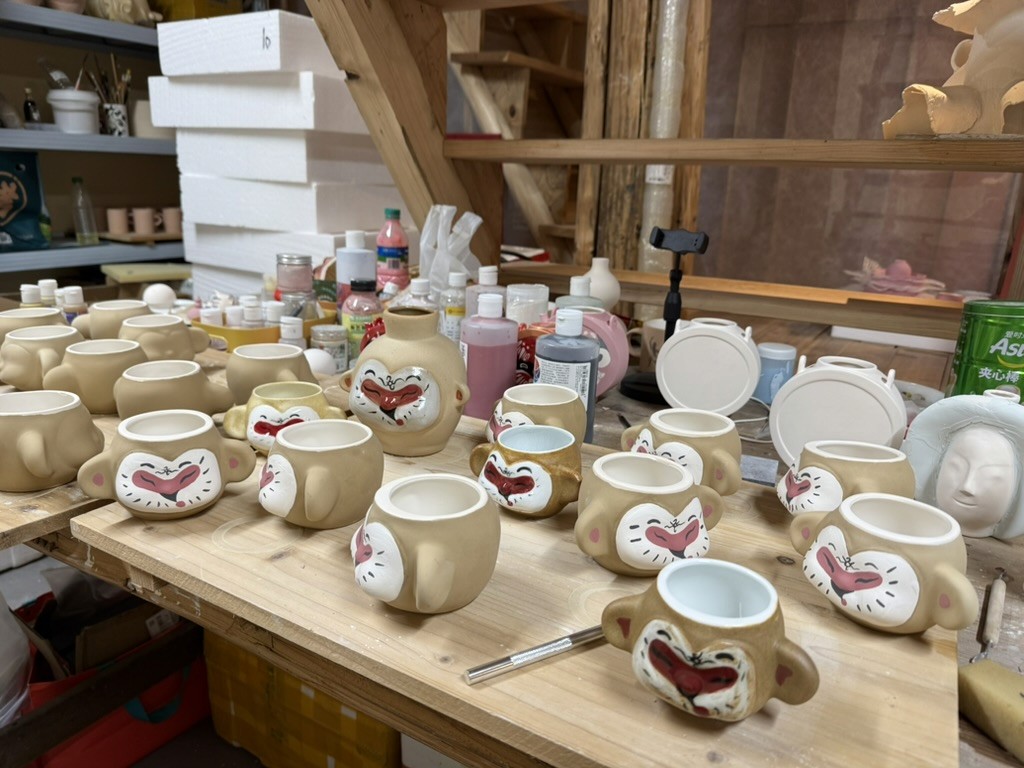
而在景德镇,这条捷径几乎不存在。
来之前,我心里其实抱着一个问题:为什么一定是景德镇?
有人说是这里的陶土好。最早也许确实如此。但走到今天,真正支撑景德镇的,早已不是某一种“天赋型资源”,而是一整套极其成熟、极其精细、也极其现实的产业系统。
在景德镇,陶瓷不是某个艺术家的孤立创作,而是一条完整的产业链。
从卖泥料的、卖釉料的、配批的,到烧窑的、上釉的、修坯的;从负责搬运的挑夫,到专门做包装的店铺——每一个环节你都能找到,每一个人都只挣自己份内的钱。价格是透明的,分工是清楚的,责任是明确的; 最终呈现在你眼前的那件瓷器,其实只是这条供应链的最后一环。
也正因为如此,这里对艺术家是异常友好的。你不需要一个人承担所有风险,也不需要“全能型天才”的幻觉。每一个行业从业者,都可以非常精准地找到自己的专业里,形成一种稳定而长期的合作关系。这不是短期规划出来的,而是历史一点一点沉淀出来的结构。
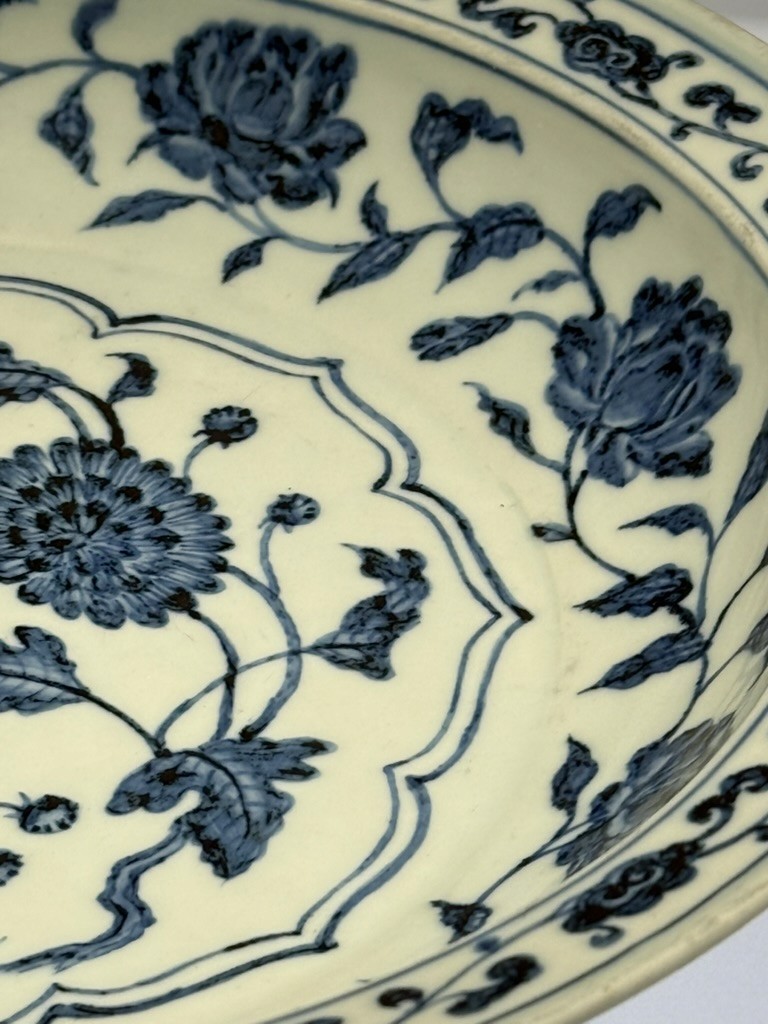


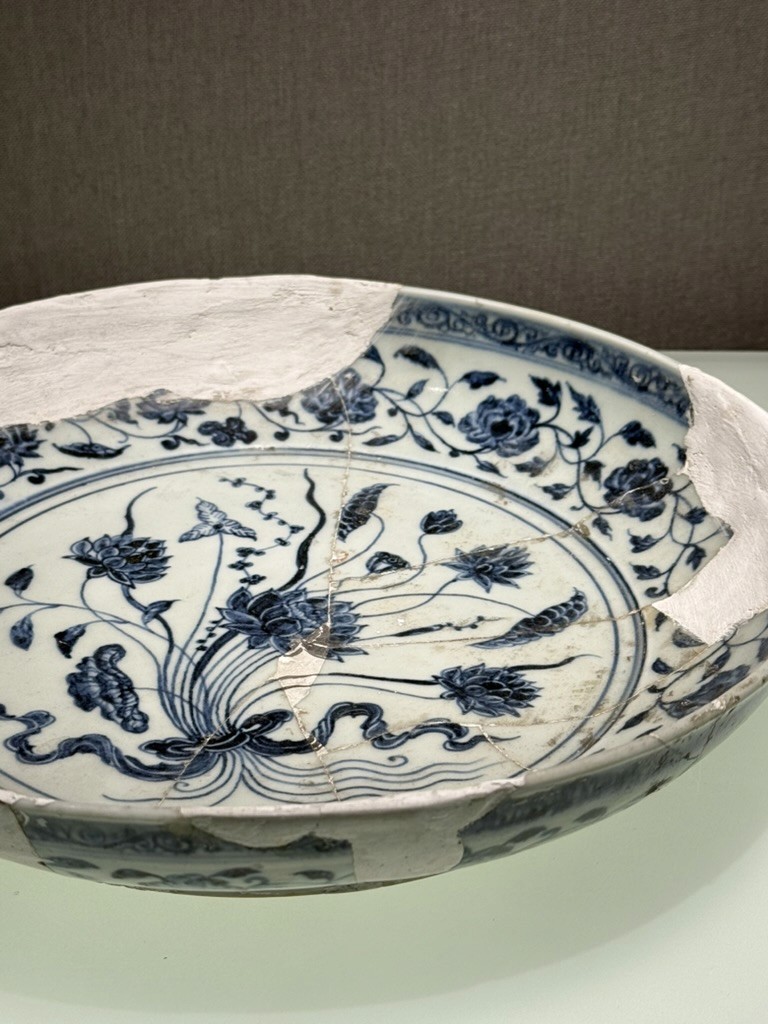
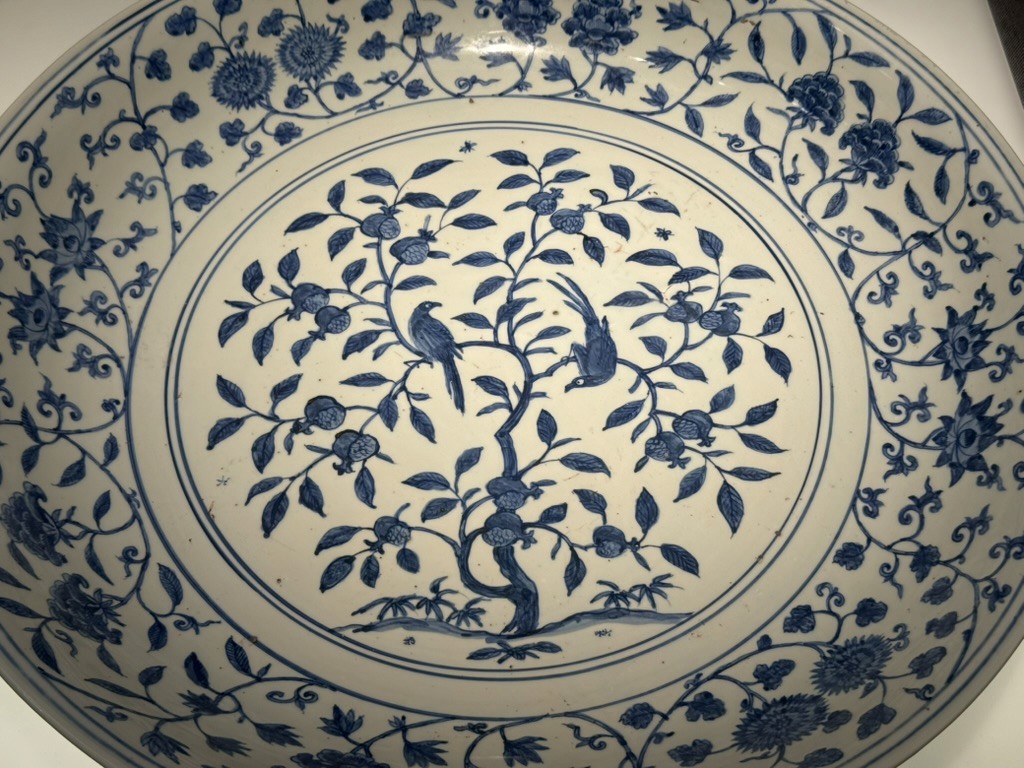
这就是为什么是景德镇。
在这样的系统里,没有人急着定义自己属于什么派系,也很少有人迫切地证明自己“新”或“前卫”。在街上, 人们讨论更多围绕着极其具体的事情:土性如何、釉料怎么配、温度是否稳定、这一炉为什么会失败。技术在这里不是需要被掩饰的东西,而是被持续钻研、被不断深化的核心。
气窑、柴窑、梭式窑、馒头窑,遍地开花,没有哪一种被神话成唯一正确的路径。每一种选择,背后都是长期投入、反复试错和身体性的劳动。
我第一次给柴窑添柴的时候,才真正理解“火”在这里意味着什么。那不是抽象意义上的能量,而是可以被身体直接感知的热量——逼近、包裹、压迫,让人无法分神。你会意识到,在这样的环境里,创作不可能只是姿态,也不可能只是概念。你必须在场,必须承担结果。
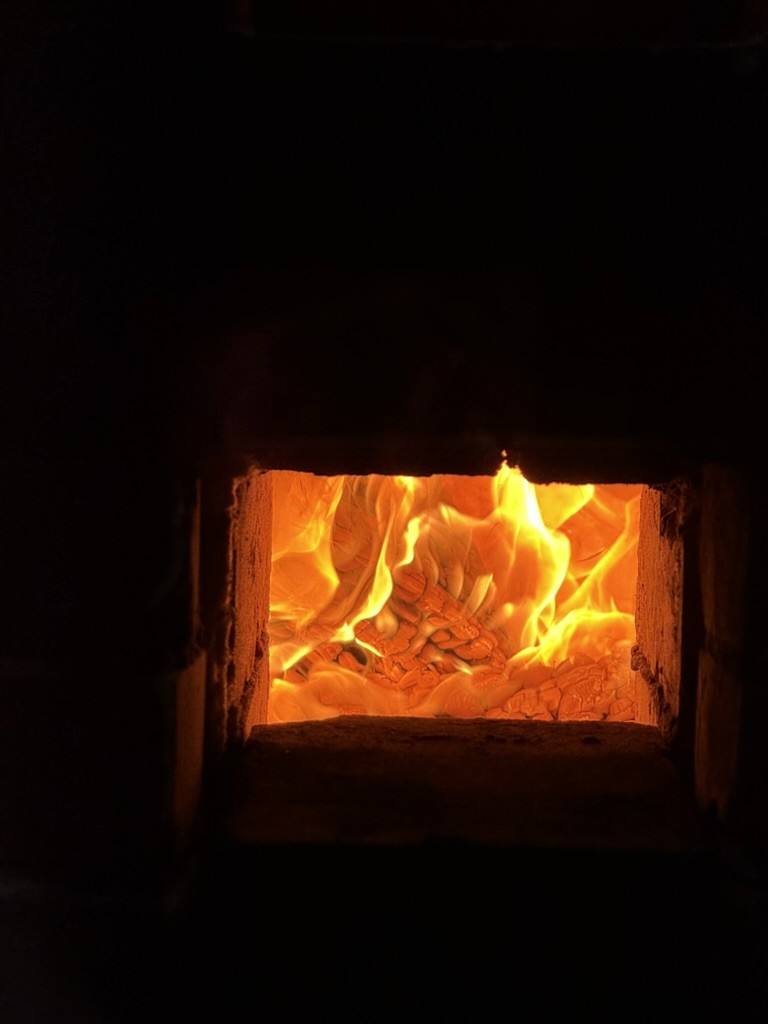
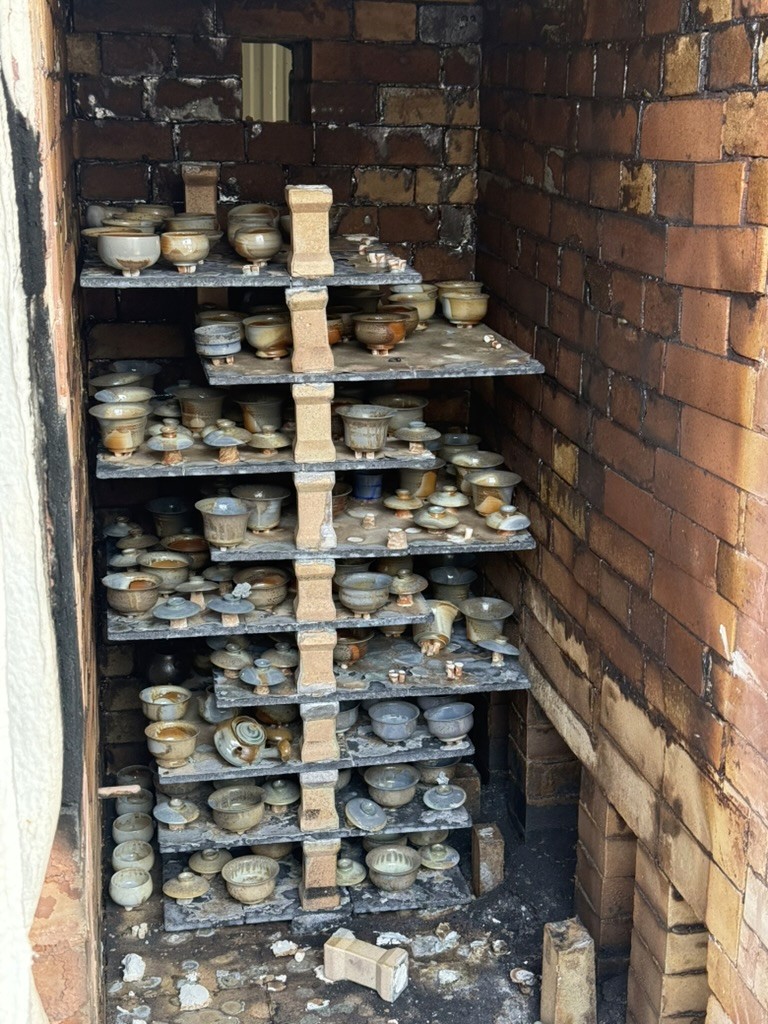
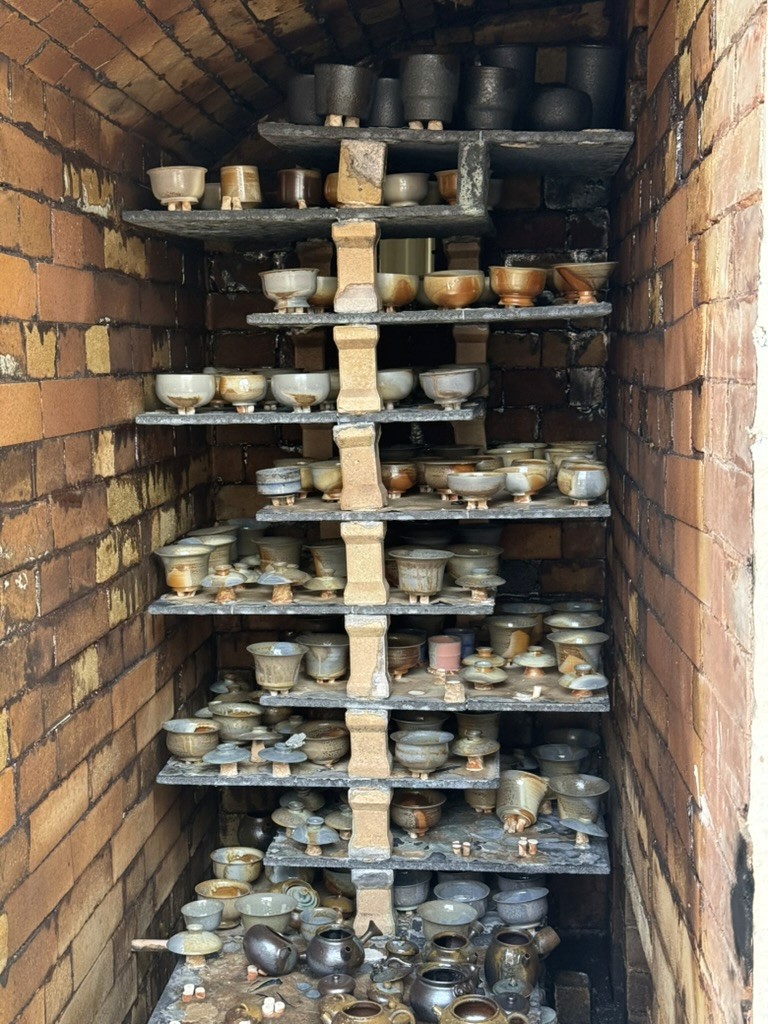
日复一日的劳动,让对陶瓷的研究, 永无止境
整所陶瓷大学两万两千多人,研究生近三千人,意味着一种极端密集的竞争环境。如果你不扎实、不深入、不持续失败,你很快就会被淹没。没有哪种“态度正确”可以单独成立,也没有哪种“叙述”能够替代作品本身。
这反而让我重新理解了“学院”的意义。学院不是用来被反的标签,而是一套让人无处藏身的训练系统。在景德镇,你很难靠概念混过去。泥和火不接受空话,窑变也不会因为你的理论而配合你。
这种对技术的执念,并不是今天才出现的。
在景德镇博物馆里,这条线被梳理得异常清晰。历史不是以朝代更替为主线,而是以一次次发明和改良为核心。从早期的青白瓷,到青花瓷的成熟,再到胎土、釉料、烧成技术的不断调整,你会看到一个几百年来持续推进的方向:线条越来越细,工笔越来越精,瓷越来越白、越来越纯净。
青花瓷不是一次完成的发明,而是在无数次失败中被逼近的结果。每一次变化,都不是为了“不同”,而是为了“更好”——更稳定的呈色、更可控的釉面、更精准的线条。这种追求没有终点,也从未中断。
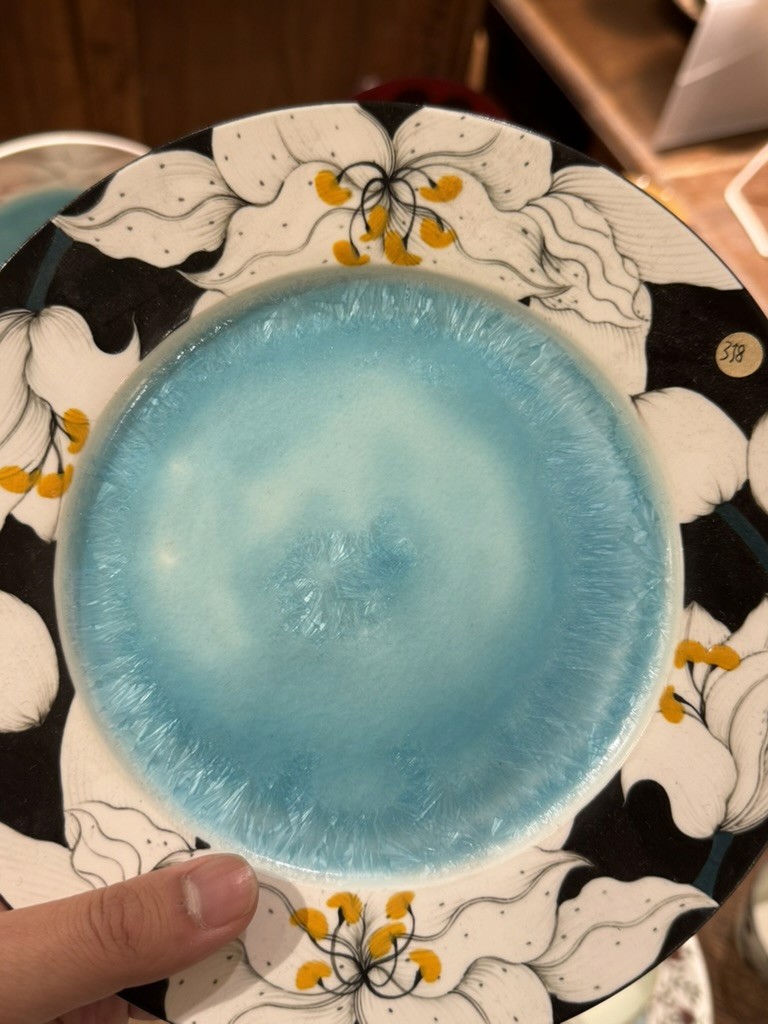
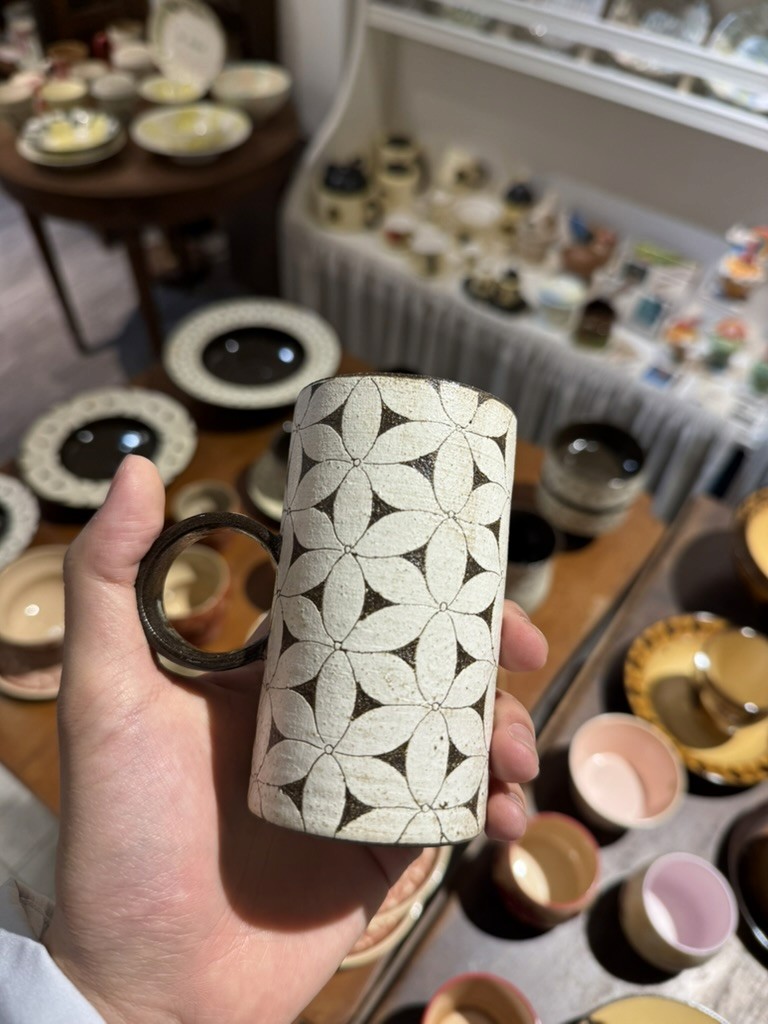
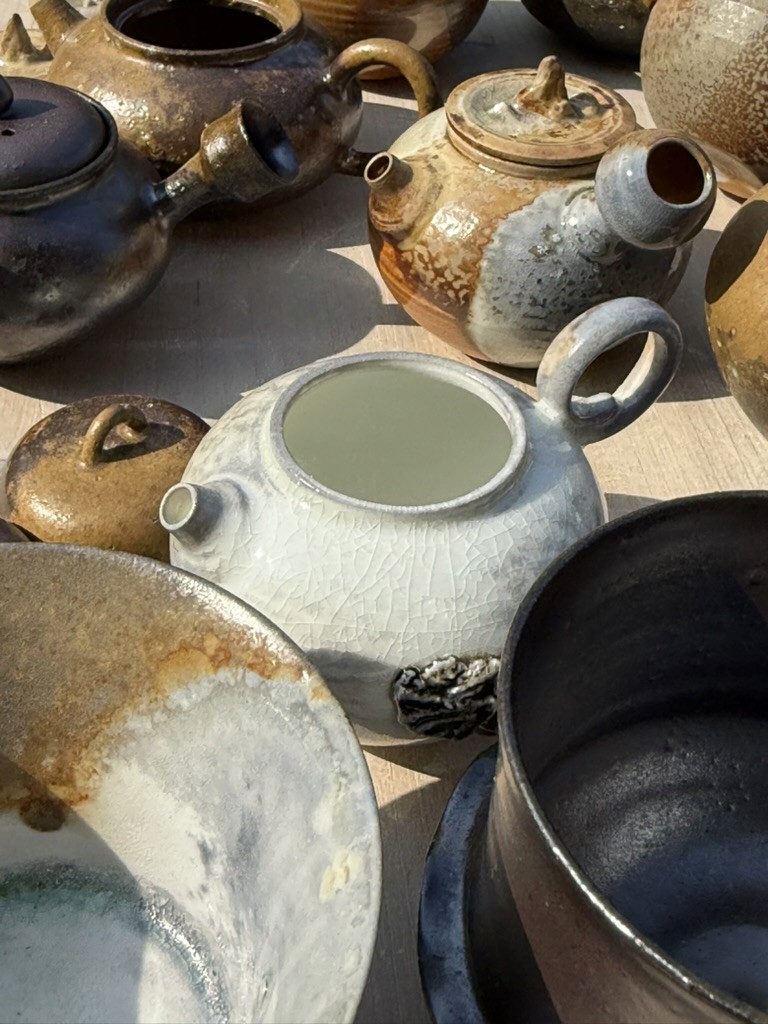
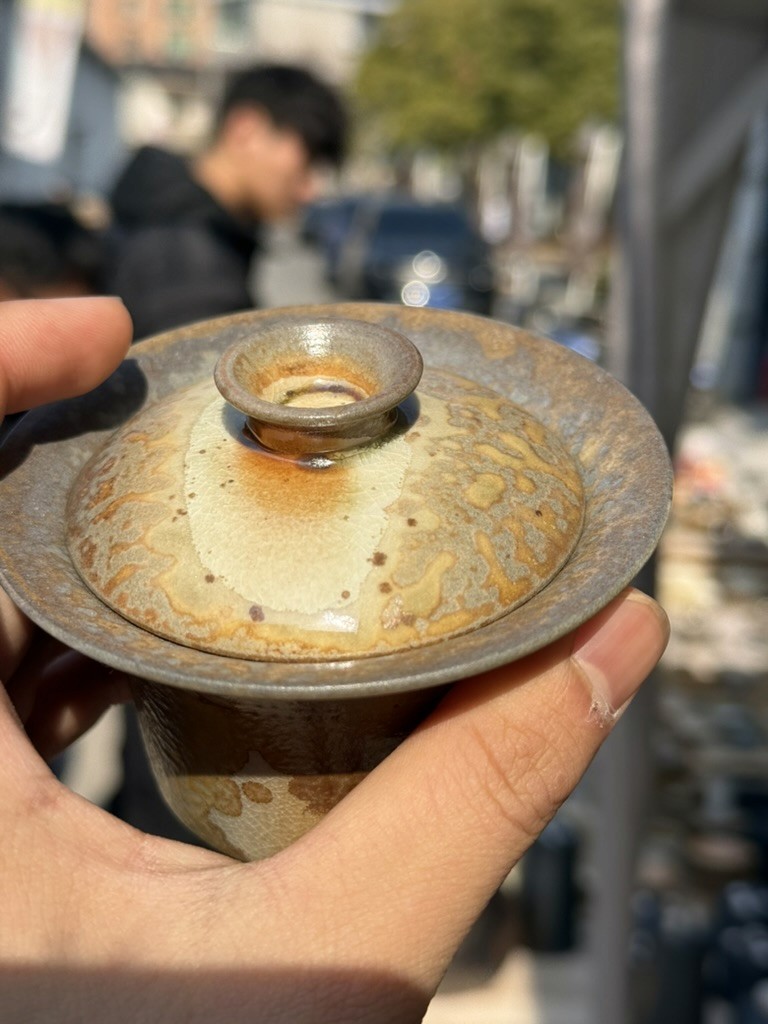
走出博物馆,你立刻会在街道上看到这种历史的延续。几乎每一条街都在卖瓷器,从日用器到陈设器,从仿古到创新,从学徒练手到成熟作品,它们并排存在,没有被刻意分层。这座城市几乎是被瓷器覆盖的。
也正因为瓷器是生活中的常态,品质反而被看得非常清楚。什么水平,对应什么价格;哪一种窑、哪一种釉、哪一批次;卖给谁,用在什么场合——大家心里都很明白。这不是功利,而是一种成熟的行业共识。创作与市场并不处在虚假的对立面,而是通过长期实践形成了清晰而透明的对应关系。
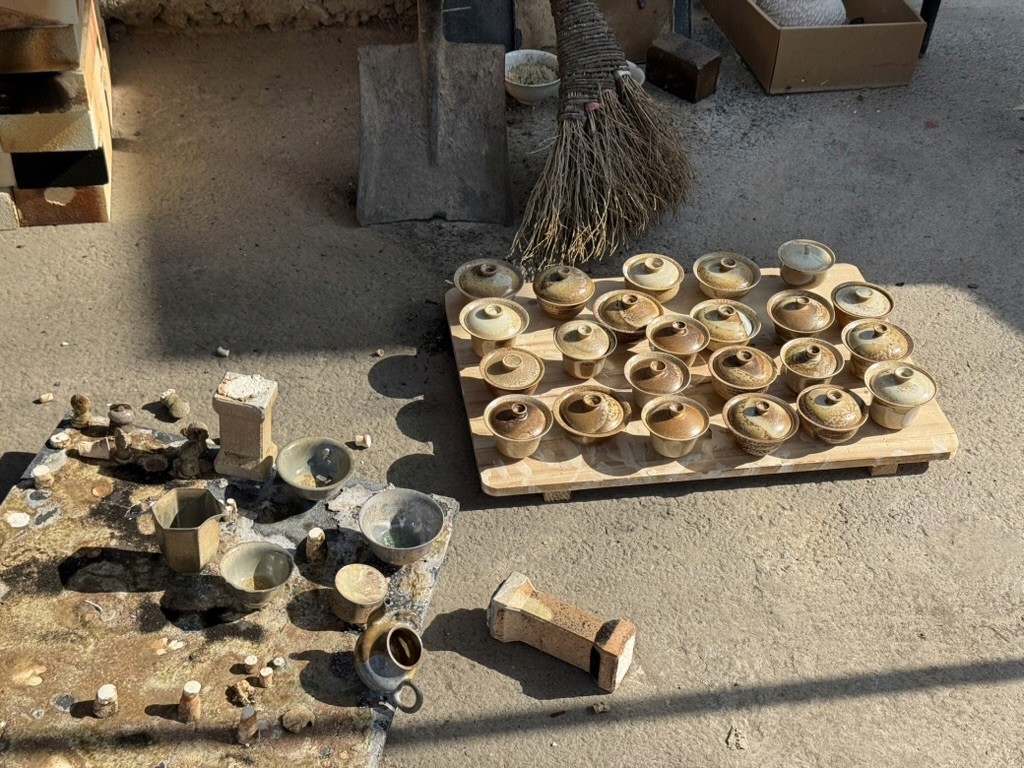
残次品被
这座城市的时间也因此慢了下来。
在陶瓷街上的画廊,很多下午两点才开门,一直开到晚上十点;有些甚至不是每天营业。没有那种必须随时在线的紧迫感,因为这里的时间,并不完全为观众或消费者服务,而是为窑、为火、为作品服务。作品没准备好,门就没有必要开。
人们真正聚在一起的时刻,往往不是开幕酒会,而是等窑冷却。那是一种集体的等待。火退下去之后,大家慢慢围过来,心里都清楚:接下来要发生的,是一个无法被提前预告的瞬间。
开窑就像打开一个巨大的盲盒。我站在柴窑前,看着师傅一件件把陶瓷拿出来——你不知道釉会不会跑,不知道颜色会不会偏,不知道哪一件会成为惊喜,哪一件会彻底失败。有的窑变极其完美,但奇妙的是,那一刻几乎没有焦虑,更多的是共享的期待。失败被迅速接受,成功被平静对待。作品还带着余温,却已经被放进了更长的时间尺度里。
也正因为有太多不可控因素,这里的学习永远伴随着损耗。即便是最有经验的师傅,也无法保证每一件都成功。烧制失败的瓷器会被敲掉,有些会被低价处理,有些甚至直接报废。但这种“失败”并不被轻描淡写,它反而构成了一种对原料的尊重。
在这样的节奏里,时间真的变慢了。不是因为事情少,而是因为事情不再被催促。没有人要求你立刻给出答案,也没有人逼你用最快的方式证明自己。你只需要等,等火,等冷却,等下一次尝试。
也许正是这种缓慢,对失败的高度容忍,对捷径的系统性封堵,让景德镇保留了一种在当下艺术世界中越来越稀缺的东西——一种不靠姿态生存的艺术生命力。
在景德镇,艺术不急着被看见,也不急着被命名。她只是持续燃烧。

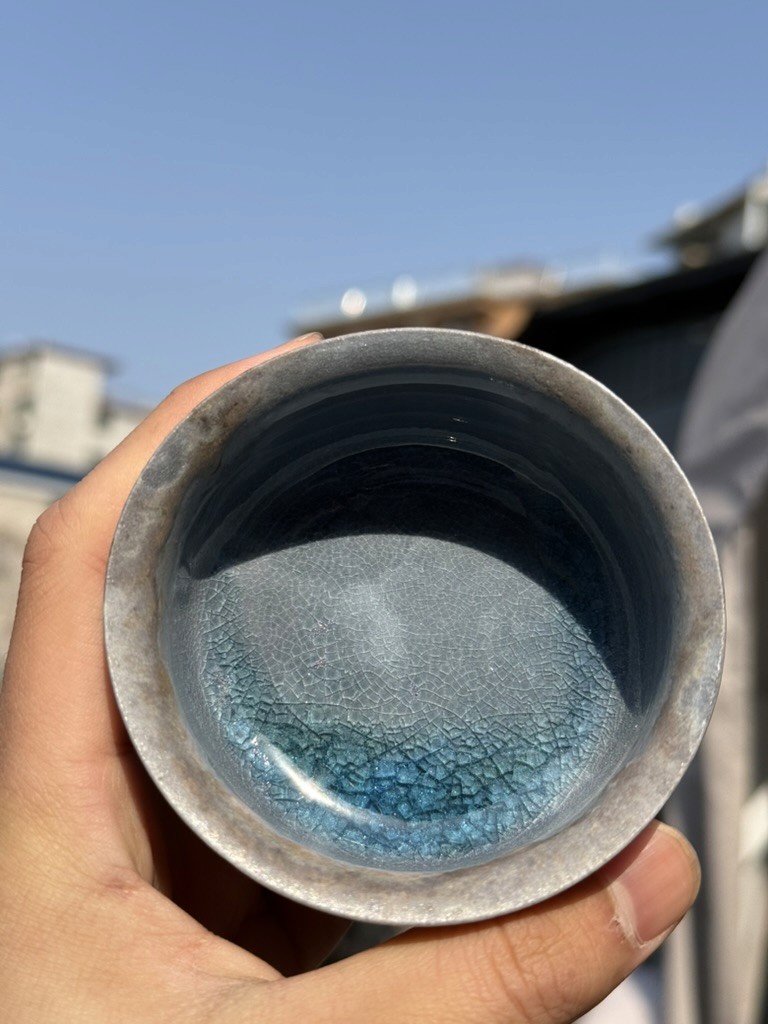
一组几乎完美的瓷器, 可惜因为瑕疵, 只能变成残次品 / A group of Ceramics that didn't make the "cut"
In Jingdezhen, home to Chinese ceramics for hundreds of years, I encountered a form of artistic vitality that feels increasingly rare in contemporary art.
Across the contemporary art scene, practice has often become restless. Technical skill is frequently dismissed as conservative, while realism is treated with suspicion. Abstraction, concept and attitude dominate. The number of artists grows, yet visual languages converge. Gestures are repeated, positions rehearsed, and strategies already proven to be legible are endlessly recycled. To declare oneself anti-academic or anti-tradition is often understood as a route to rapid visibility.
The contradiction is familiar. Many of the artists most celebrated for rejecting academic structures are themselves products of rigorous training. Their critique becomes possible only after mastery. What is resisted is not technique, but the constraints of expression once technique is secure.
Jingdezhen offers no such shortcuts.
The question seemed straightforward: why Jingdezhen? The orthodox explanation points to its supreme quality of clay in the region — and historically, this might be true — but today, Jingdezhen’s significance lies elsewhere. What distinguishes the city is not a single material advantage, but the completeness of its ceramic ecosystem.
Ceramics here are not the isolated output of individual artists. They are the final stage of an integrated supply chain. Clay merchants, batch preparers, glaze suppliers, kiln operators, glazing technicians, porters and packaging specialists all operate within clearly defined roles. It is the textbook definition of das capital - pricing is transparent, labour specialised and each participant earns within a recognised niche. The finished ceramic object is only the last visible step.
This structure makes Jingdezhen unusually supportive of artistic production. The romantic notion of the solitary, self-sufficient artist holds little currency. Instead, years, perhaps decades, of practice is needed before they can make a name for themselves. These artists are not expected to master every process, but to understand where their work sits within a larger system shaped by centuries of practice.
This, ultimately, explains Jingdezhen’s persistence.
Within this larger environment, every discussion centres on material realities rather than stylistic positioning. Clay composition, glaze chemistry, temperature control and kiln failure are everyday concerns. Not technique is left untried: gas kilns, wood kilns, shuttle kilns and mantou kilns coexist without hierarchy. No method is fetishised. Each demands sustained commitment, physical labour and an acceptance of failure.
Participating in a wood firing makes this immediacy unmistakable. Fire is not metaphorical. Its heat is felt directly, imposing limits on attention and endurance. In such conditions, artistic production cannot rely on gesture or theory alone, it is where human presence is most required and where outcomes must be accepted. Failure is integral. Even experienced masters expect losses. Misfired works are smashed, sold cheaply or discarded. This is not treated casually. It reflects a shared respect for material and labour. Repetition reinforces a simple reality: porcelain is costly in time, energy and skill.
The scale of training reinforces this ethic. With more than 22,000 students and nearly 3,000 postgraduates at the "Chinese Ceramic University" alone, competition is intense. Without technical depth and sustained effort, work disappears quickly. No rhetorical position can compensate for material inadequacy. This context reframes the notion of the academy. Rather than a constraint to be rejected, it functions as a system that eliminates concealment. Clay and fire do not respond to language. Kiln transformations do not conform to theoretical intent.
The historical depth of this approach is clearly articulated at the Jingdezhen Museum. The city’s history is presented not through dynastic succession, but through innovation. From early qingbai wares to the refinement of blue-and-white porcelain, and through continual adjustments to bodies, glazes and firing methods, a consistent trajectory emerges: finer lines, greater control and increasingly white porcelain.
Blue-and-white porcelain was not invented in a single moment. It was approached incrementally, through repeated failure. Each refinement sought improvement rather than novelty. This pursuit remains open-ended.
Outside the museum, this continuity is immediately visible. Ceramics saturate the city. Daily-use vessels sit alongside display pieces. Reproductions coexist with technical innovation. Student works are sold beside mature craftsmanship. Hierarchies are present, but legible.
Because ceramics are embedded in everyday life, standards are unusually clear. Quality aligns with price. Kiln type, glaze, batch and intended use are widely understood. This is not market cynicism, but collective literacy. Production and commerce are not positioned as opposites, but as interdependent systems shaped over time.
Equally striking is Jingdezhen’s relationship with time. The city moves slowly. Many galleries open only in the afternoon and evening; some do not operate daily. Visibility is secondary to readiness. Time here serves kilns rather than audiences. Hence, social gatherings centre not on openings, but on waiting for kilns to cool. When a kiln is opened, the atmosphere is restrained. Outcomes are uncertain. Some results are exceptional; many are not. Failure is absorbed quickly. Success is acknowledged without spectacle. The works remain warm, yet are already understood within a longer temporal horizon.
This temporal structure matters. It discourages urgency, rewards patience and resists acceleration. Production unfolds according to material rhythms rather than institutional schedules.
In an art world increasingly defined by posture, speed and legibility, Jingdezhen offers a different model. Its vitality does not depend on rhetoric. It is sustained through labour, collaboration and an acceptance of uncertainty.
Here, art is not in a hurry to be seen or named. It continues, steadily, to burn.
© 2025 by Hector Chen