Where is the Art World Going?
现代艺术的未来在哪里?
24/04/2026
Hector Chan
This morning, I found myself unexpectedly frustrated. The trigger was simple: I had just finished reading a biography of Yayoi Kusama. I’ve never been particularly drawn to her work and I wanted to know more about her; but instead of softening my view, the book sharpened a discomfort I’ve been circling for a while. It made something clearer: in today’s art world, who you are increasingly overshadows what you do.
Kusama is undeniably a major figure by every measurement. Emerging from postwar Japan, she entered the New York avant-garde of the 1960s and developed a highly recognizable visual language—polka dots, mirrored infinity rooms, immersive environments. Her idea of “self-obliteration,” dissolving the individual into endless repetition, can be understood as both a formal strategy and a psychological framework. After returning to Japan and living for decades in a psychiatric institution, she continued producing work and eventually became a global phenomenon. Today, she is almost synonymous with experiential, immersive art.
But this is exactly where my unease begins. In attempting to account for Kusama’s success, the author cites her in terms that feel telling: “Kusama’s story resonates with young people around the world. She is the female abuse victim who never married and emerged victorious in spite of ongoing mental illness… Patriarchy, sexism, fascism, racism—she slew them all.” None of these dimensions are untrue; they are part of her lived reality. But when reiterated to the point of inevitability, they risk hardening into consumable labels. What remains in circulation is not the precision of her spatial intelligence, nor her sustained investigation of repetition and perception, but a simplified figure—“a female artist with hallucinations.” Here, the narrative no longer frames the work; it begins to eclipse it.
What made me feel worse is that this really isn’t just about Kusama. I am seeing a broader pattern. Go to any art show and you see a group of “foreign artists,” whose work are practically the same and whose visibility often seems contingent on fitting into recognizable identity frameworks—minority, trauma, displacement, etc. If your work doesn’t align with these categories, it risks being overlooked. As a result, artists and curators learn to construct narratives that are legible, quickly graspable, easily circulated. Even in art schools critiques, one hears the same structure repeated: personal background, identity positioning, social issue, political stance. Over time, this narrative has stopped being a choice and becomes a template.
今天早上其实挺挫败的。起因很简单——我看完了一本关于草间弥生的传记。本来我就不是她的拥趸,但这次阅读反而让我更清楚地意识到一种长期存在、却越来越被强化的结构性问题:在当代艺术语境里,“你是谁”似乎正在压倒“你做了什么”。
先说一句公允的话。草间弥生无疑是战后最重要的艺术家之一。她从日本出发,在1960年代进入纽约前卫艺术语境,用波点(polka dots)、镜屋(Infinity Mirror Rooms)和身体行为建立了一套极具辨识度的视觉语言。她反复谈到“self-obliteration”(自我消融),通过无限重复的图案让个体融入宇宙。这既可以被理解为一种形式上的极限探索,也常常被解释为与她的心理经验相关。后来她回到日本,在长期的精神疗养院生活中持续创作,并最终获得全球性的成功——尤其是在今天的展览经济和社交媒体环境中,她几乎成为“沉浸式体验艺术”的象征。
问题恰恰在于,我们今天谈论她时,越来越倾向于从那些“最容易被理解”的入口进入:女性、精神疾病、边缘经验、身体与性。这些当然真实存在,但当它们被不断提炼、重复和传播之后,逐渐变成了一种被消费的标签。观众记住的是一个“有幻觉的女性艺术家”,而不是她如何处理空间、重复、观看机制;媒体传播的是“可以拍照的无限空间”,而不是她与1960年代纽约艺术之间复杂的关系。叙事开始覆盖作品,而不是服务作品。
更让我不适的是,这种情况并不是个例,而是一种越来越标准化的路径。去一趟巴塞尔艺术展, 你能看到一路的 “被边缘化的画家”,如果你的故事不能被归类为某种清晰的identity——少数族裔、创伤经验、文化冲突——那你似乎就很难被快速理解、被策展人抓住、被市场放大。于是艺术家和策展人逐渐学会一件事:构建一个可以被迅速读取的narrative。甚至在艺术学校里,这种机制被提前内化——critique的时候,大家讲的往往是同一套逻辑:个人经历、身份标签、社会议题、立场表达。久而久之,这不再是选择,而变成一种默认结构。

But does that really amount to artistic quality? Or have we simply replaced one set of conventions with another—one that appears progressive, but is just as prescriptive?
The issue, increasingly, is not just that there is too much narrative, but that narrative is beginning to substitute for judgment. If we shift our focus to an art historical one, this wasn't always the case; other models have always existed—though they may feel less “efficient” today.
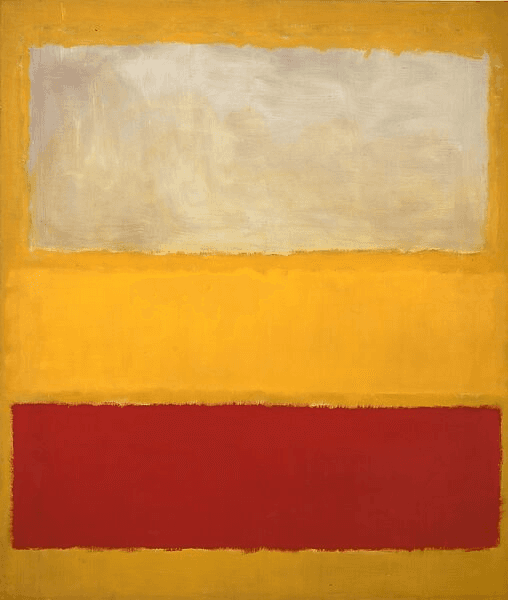
Take Mark Rothko. For someone unfamiliar with his work, his paintings might initially appear as little more than floating blocks of color—reds, purples, blacks, with soft, dissolving edges. But what’s actually happening is an extraordinary level of control: the relationships between colors, the subtle dissolution of boundaries, the internal tension of the surface. Stand close, and the color seems to engulf you; step back, and it reconstitutes into something almost architectural. Rothko is not telling a story, nor even expressing an emotion that can be easily named. He is constructing a state of viewing—one that resists quick consumption and demands duration. His late works grow darker, approaching near-black. This can be overread biographically, but more fundamentally, it reflects a formal push: when image is stripped down to color alone, what remains?
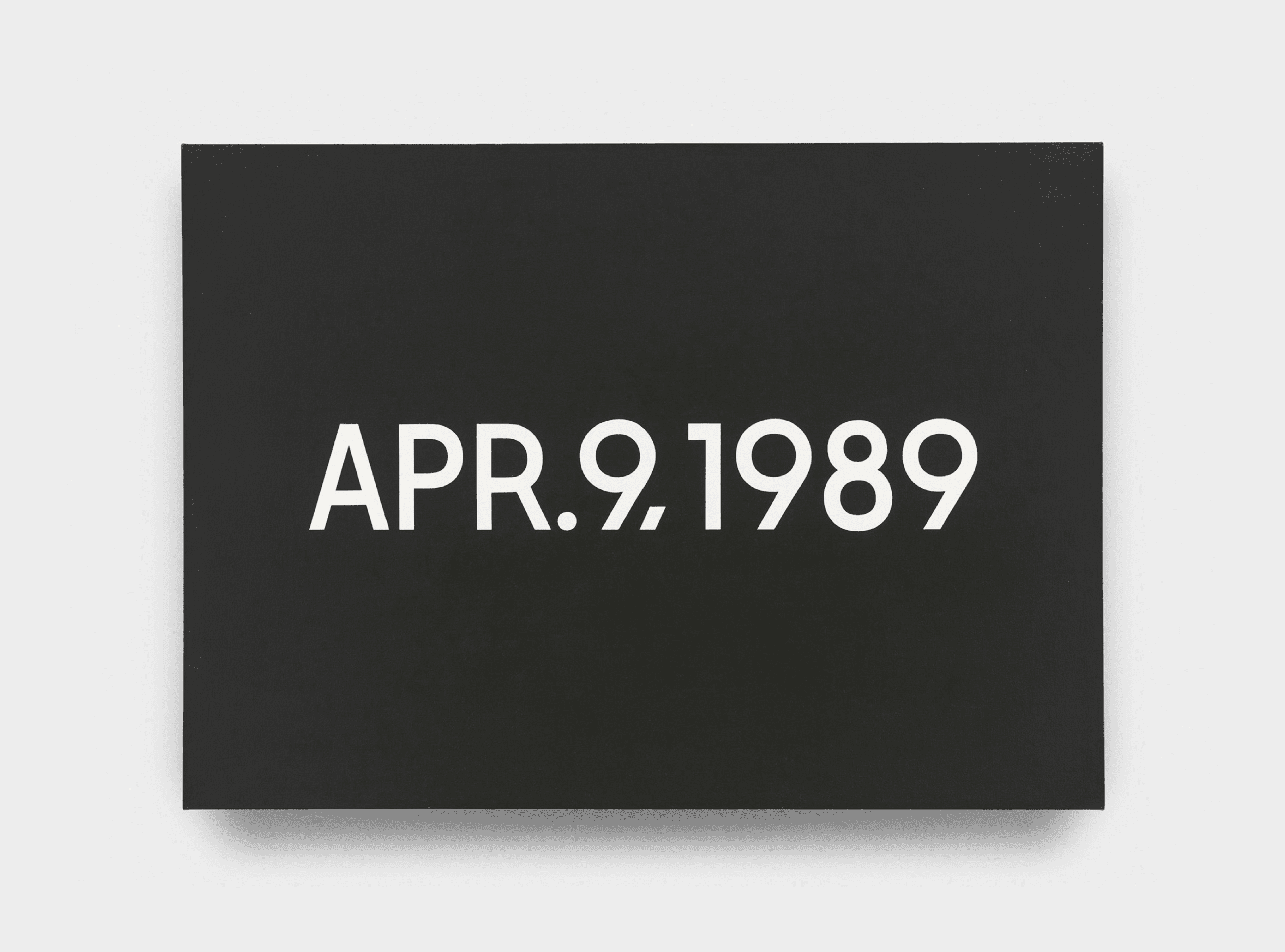
Or consider On Kawara. His “Today Series” consists of paintings of the date on which they were made. If he didn’t finish a painting that day, he destroyed it. There is no overt narrative, no identity claim. And yet, the work is anything but empty. Kawara turns time itself into structure—presence, repetition, disappearance. The viewer is confronted not with a story, but with a stark condition: you exist within time, but time does not preserve you unless you continuously mark it.
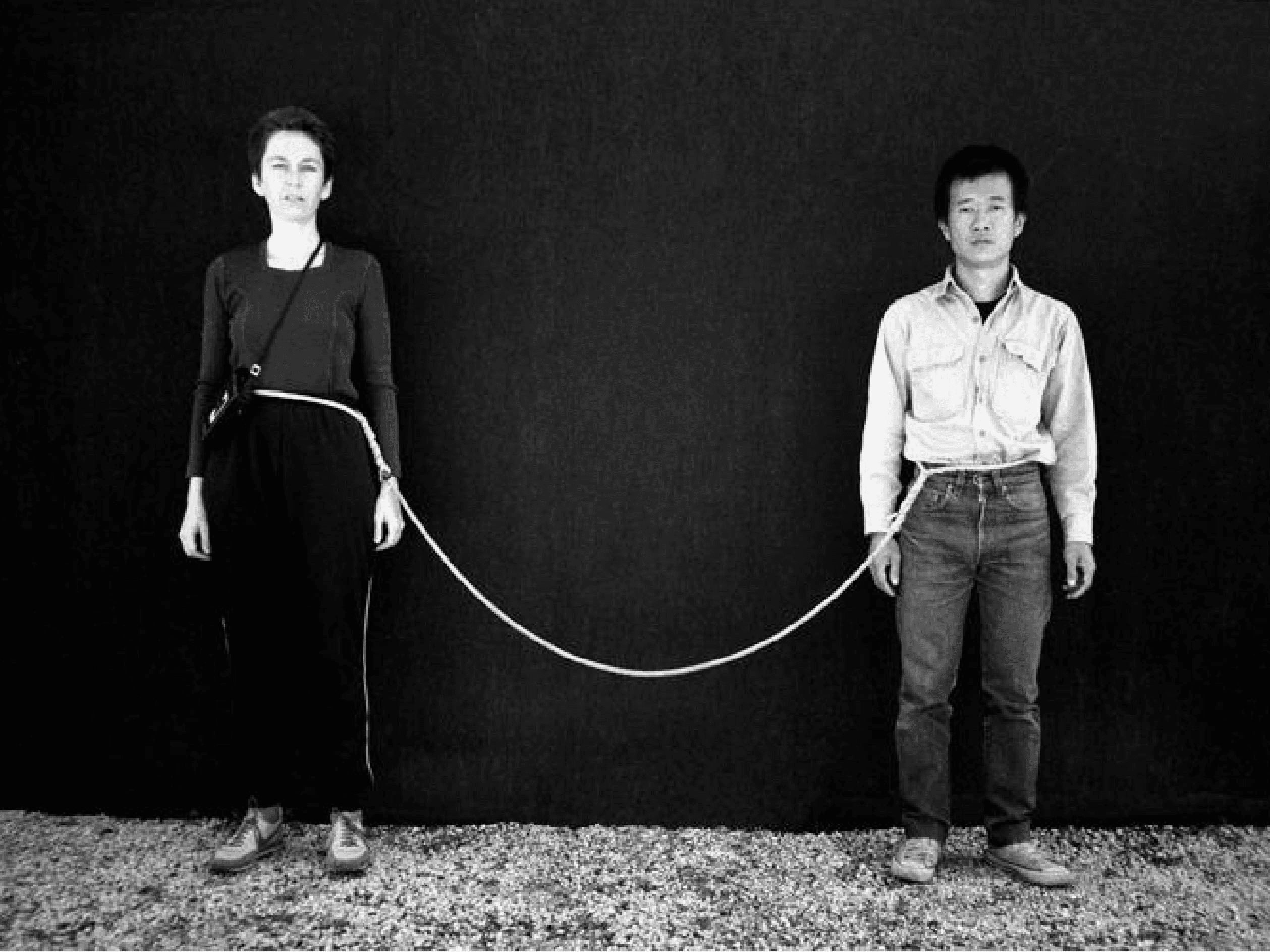
Pushed further, there is Tehching Hsieh. His year-long performances—punching a time clock every hour, living outdoors, tying himself to another person—are almost impossible to commodify. They offer no digestible narrative. Instead, they operate through endurance and constraint, testing the limits of time, discipline, and the body. The question is no longer “who are you?” but “can you actually do what you claim to do?”
但问题是,这真的等同于“好的艺术”吗?还是说,我们只是进入了另一种同样单一的标准——一种看似进步、实则高度可预测的表达模式?某种程度上,我越来越觉得,现在艺术世界的问题,不只是叙事太多,而是叙事在替代判断。
在进入这种问题的时候, 我会思考, 历史上我们都是怎么做的。或许如果我们把目光稍微移开,会发现其实一直存在完全不同的路径,只是它们在今天不那么“高效”。
比如 Mark Rothko (马克. 罗斯科)。如果一个完全不认识他的人走进展厅,看到的可能只是几块漂浮的色块——红、紫、黑,边界模糊,好像在呼吸。但真正发生的,是一种极其精细的控制:颜色之间的关系、边缘如何消失、画面内部的张力如何维持。你站近一点,颜色几乎会吞掉你;站远一点,它们又重新组织成一种接近建筑的结构。Rothko并不是在讲一个故事,甚至也不是在表达一个可以被语言概括的情绪,他在做的是创造一种观看的状态——一种无法被快速消费、需要时间去承受的状态。他晚年的作品越来越暗,几乎走向黑色。这当然可以被过度解读为心理状态,但更直接的事实是,他在把绘画推向极限:当图像被剥离到只剩色彩关系时,还剩下什么?
再看 On Kawara ( (河原温)。他的“Today Series”冷到几乎没有情绪:每天画一张当天日期的画布,如果当天没完成,就销毁。没有身份标签,没有个人故事。但这真的“什么都没有”吗?恰恰相反,他把时间本身变成了作品:今天是哪一天、你是否持续、未完成是否消失。观众面对的不是叙事,而是一种几乎残酷的结构——你在时间中存在,但时间不会替你留下任何意义,除非你不断标记它。
如果把这种极端再推远一点,就是谢德庆(Tehching Hsieh)。他用整整一年去做一件事情:每小时打卡、不进入室内、或与另一个人用绳子绑在一起生活。这些作品几乎无法被消费,也没有明确的“议题表达”。它们的核心是把时间、身体和纪律推到一个无法伪装的极限。在这里,不是你“是谁”在说话,而是你能不能真的做到你所设定的条件。
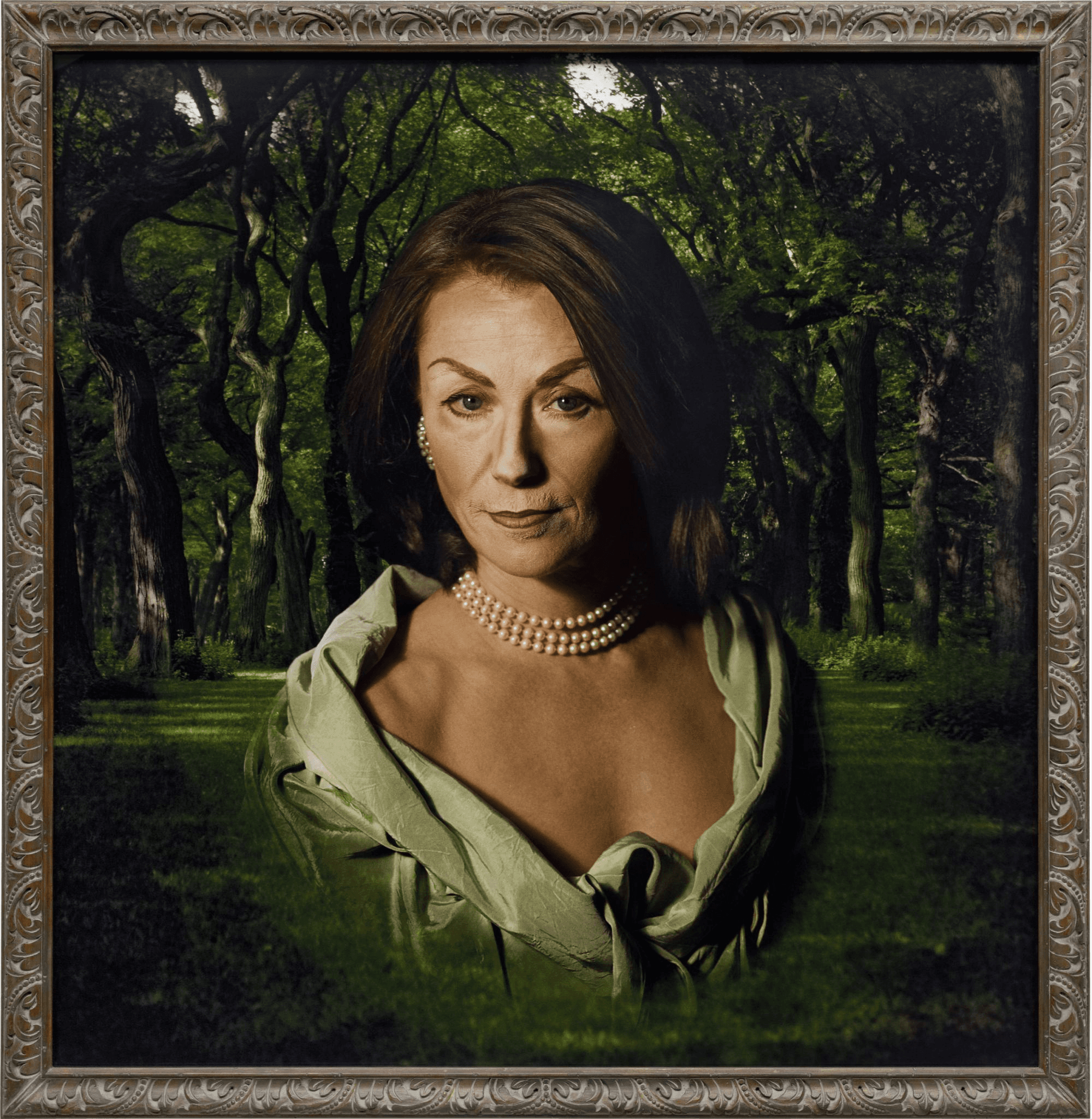
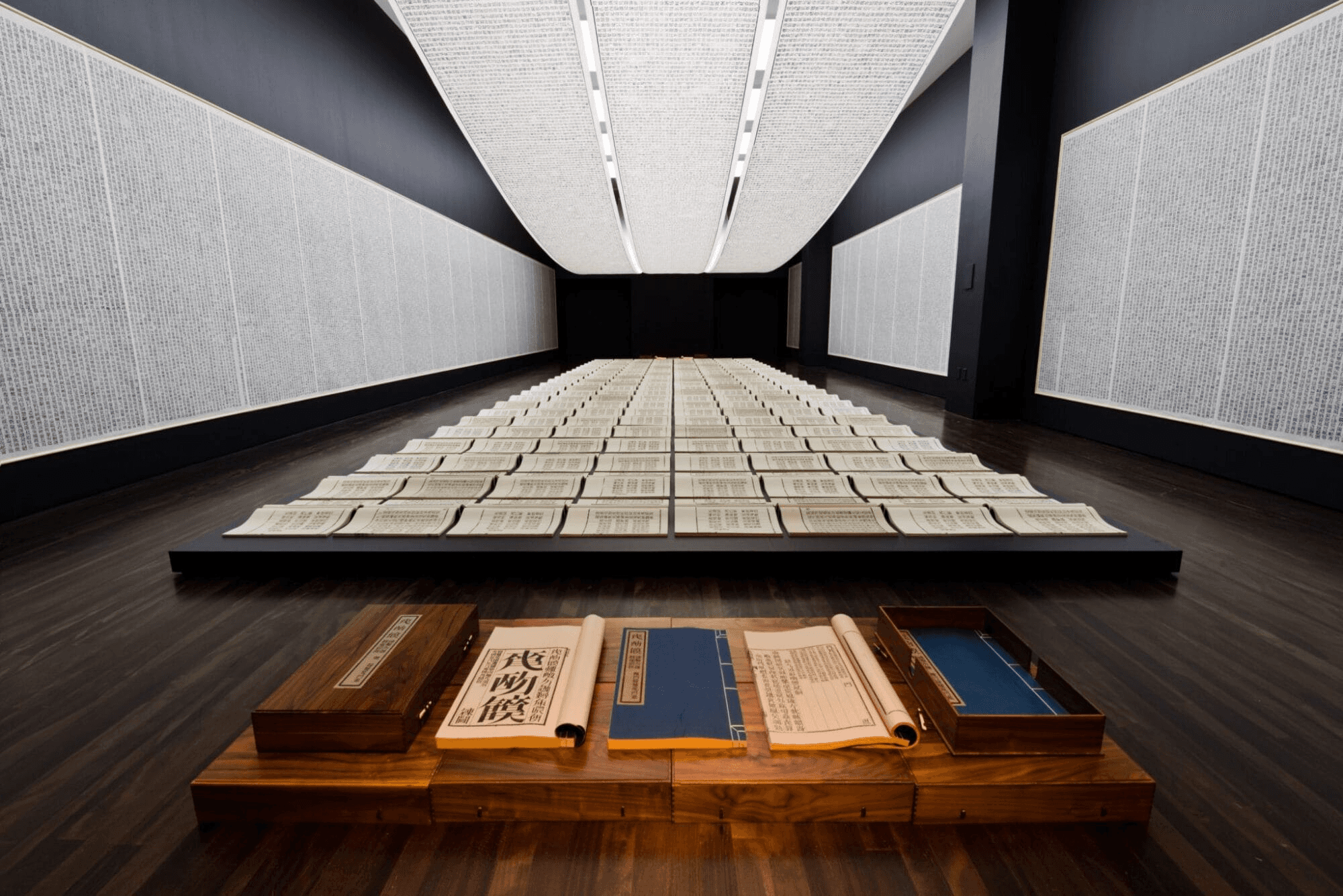
Others don’t reject narrative outright, but dismantle it. Cindy Sherman stages herself in various stereotypical female roles, creating images that resemble film stills. The point is not her identity, but how these identities are constructed—why they are recognizable, why they persist. Similarly, Xu Bing, in Book from the Sky, creates a system of characters that look like Chinese script but are entirely unreadable. What appears as cultural familiarity collapses into illegibility. The work asks not what culture is, but how meaning is produced—and what happens when language itself fails.
I am not arguing against the work of Yayoi Kusama. On the contrary, she is undeniably a highly successful and deeply influential artist. One could go as far as arguing that it is precisely through the pain and experiences she has endured that she has been able to develop such a distinctive and emotionally resonant visual language—one that carries both personal depth and broad appeal. But when we return to a simpler, perhaps more uncomfortable question: how do we actually determine the ability of an artist?
I am just finding it very difficult to accept that personal trauma or identity, on their own, can outweigh the true artistic value. Nor am I convinced that art must justify itself through a narrative of victimhood. Michelangelo, painting the Sistine Chapel ceiling, surely did not rely on the fact that his nose had once been broken as the basis for his achievement. What matters is how he constructed bodies, space, scale—how he solved problems within his medium.
当然,也有人选择不拒绝叙事,而是拆解它。比如 Cindy Sherman。她拍摄的“电影剧照”看似是不同女性角色,但全部由她自己扮演。问题不在于她是谁,而在于这些形象从哪里来、为什么我们可以一眼认出这些“类型”。她揭示的,是身份本身的构造性。同样,徐冰在《天书》中创造了一整套看似汉字却无法阅读的符号系统。你以为你在面对文化,但其实你面对的是语言的崩塌。他不是在讲“中国身份”,而是在问:当语言本身失效的时候,我们还在理解什么?
我并不是在否定草间弥生的艺术。相反,她无疑是一位极其成功、也极具影响力的艺术家。某种意义上,我们甚至可以说,正是那些她所经历的痛苦与经验,使她能够发展出如此独特且动人的视觉语言——一种既具有个人深度、又能够引发广泛共鸣的表达方式。但当我们退回到一个更简单、甚至有些残酷的问题时:我们究竟是如何判断一个艺术家的能力?
可能我只是不太相信,一个人的童年经历、创伤叙事,可以自动转化为艺术的质量。我也不太相信,艺术必须通过“证明自己在某种程度上是受害者”来获得正当性。就像米开朗基罗在画西斯廷天顶画的时候,他当然带着他的人生经验,但决定这件作品的,不是他是否被打断过鼻子,而是他如何处理身体、结构、空间和规模。
If there is a simple, if somewhat unforgiving, measure, it might be this: does the artist genuinely pursue the goals they set for themselves? And are they willing to forgo easier rewards—money, visibility, immediate recognition—in doing so?
Rothko moved toward increasingly difficult, less decorative work. Kawara reduced his practice to a near-mechanical marking of time. Hsieh committed years of his life to acts with almost no audience. These are not efficient choices. But precisely because of that, they produce something that is difficult to counterfeit: a sense of seriousness.
Perhaps the real issue is not that everyone is telling similar stories, but that in a system where the “right” narrative can quickly generate recognition, fewer people are willing to take on work that resists easy understanding—work that may not succeed at all
如果真的要有一个简单的判断标准,也许可以这样问:这个人是否真正追求他设定的目标?他是否愿意为此放弃更容易获得的东西——金钱、名声、即时认可?
Rothko选择越来越难以被接受的画面。On Kawara把自己变成一个记录时间的装置。谢德庆用整整一年去完成一件几乎没有观众的行为。这些选择都不“高效”,也不“好传播”,但正因为如此,它们建立了一种很难伪造的严肃性。
也许真正的问题不是为什么大家都在讲类似的故事,而是:在一个可以通过正确叙事快速获得认可的世界里,还有多少人愿意做那些不保证被理解、甚至可能失败的事情?
Image Courtesy: Christie's, The MET, David Zwrner, Philips Auction, and Blanton Museum of Art, respectively.
© 2026 by Hector Chen